Countertop seams · Davie, FL
Where a Countertop Seam Should Go in Davie
Where a countertop seam should go in Davie comes down to three checks: a cabinet wall under it, no thin strip of stone left beside the sink or cooktop, and a spot outside the view from the doorway. It should never float over the dishwasher opening. You will still see it up close, so judge it by touch and by how tight it is. And its place gets agreed before the stone is cut.
- Seams in most stone counters
- At least one
- · most installs need a joint
- When its place is set
- Before cutting
- · shown to you on your slab
- Licensed & insured: CGC1524886
- 500+ kitchens completed
- 2-year workmanship warranty
- Answered 7 AM–10 PM, 7 days
Why a Counter Needs a Seam at All
A stone countertop is cut from slabs, and every slab comes in a fixed size. When a wall of counter runs longer than the slab, it takes two pieces. The line where they meet is the seam.
Length is only one reason. An L or U counter usually comes in more than one piece, because a single piece shaped like an L uses far more stone and is hard to carry. The way in matters too. Every piece has to get through the front door, down the hall and around the turn into the kitchen without cracking.
The slab can decide it as well. Natural stone carries pits, small fissures and patches of color, and laying out a kitchen means keeping those where nobody looks. The stone industry's consumer site says most installations require at least one seam, and its position is something you work out with the fabricator, for looks as much as for technical reasons.
So the useful question is not whether there will be a seam. It is where.
Where the Seam Should and Should Not Land
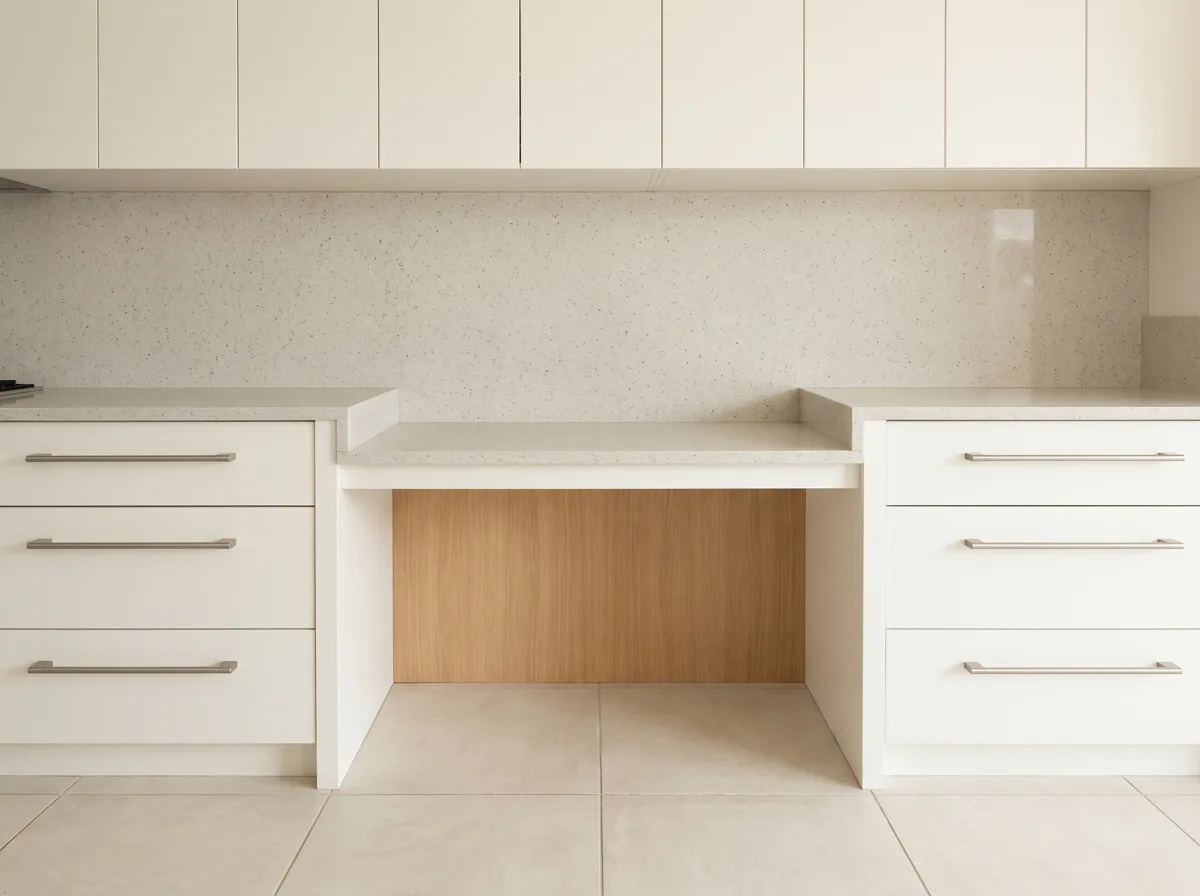
Start underneath. A seam needs a cabinet wall right below it, so both edges rest on something solid and stay level with each other. A joint over an open space, like the gap the dishwasher slides into, has nothing holding it up.
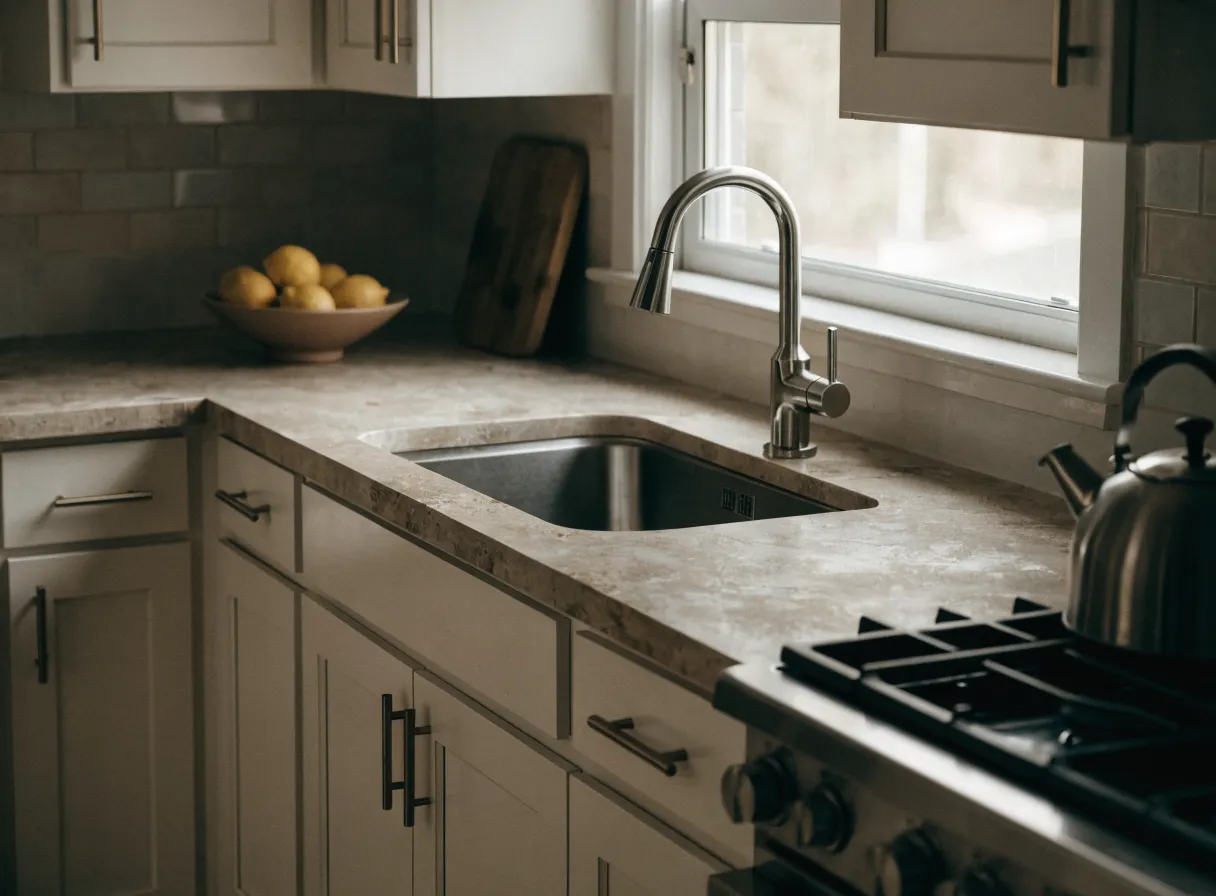
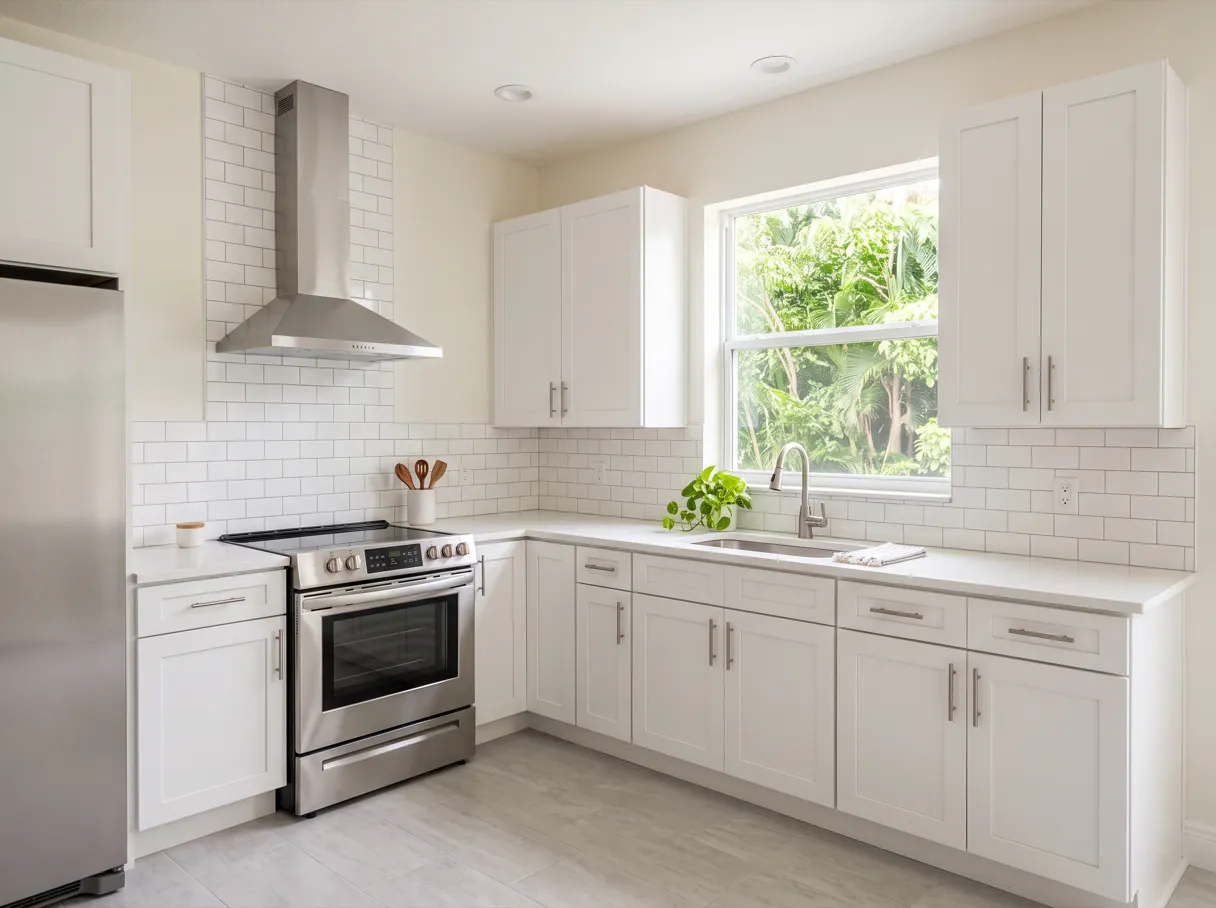
Then look at the openings. The sink and the cooktop are cut out of the stone, and the strip left beside each hole is the weakest part of the counter. A seam should not leave a thin sliver there. Some fabricators run it straight through the middle of the sink opening, where the two pieces are shortest. Others keep it away from water. The trade argues both ways. On our jobs it generally goes away from the sink.
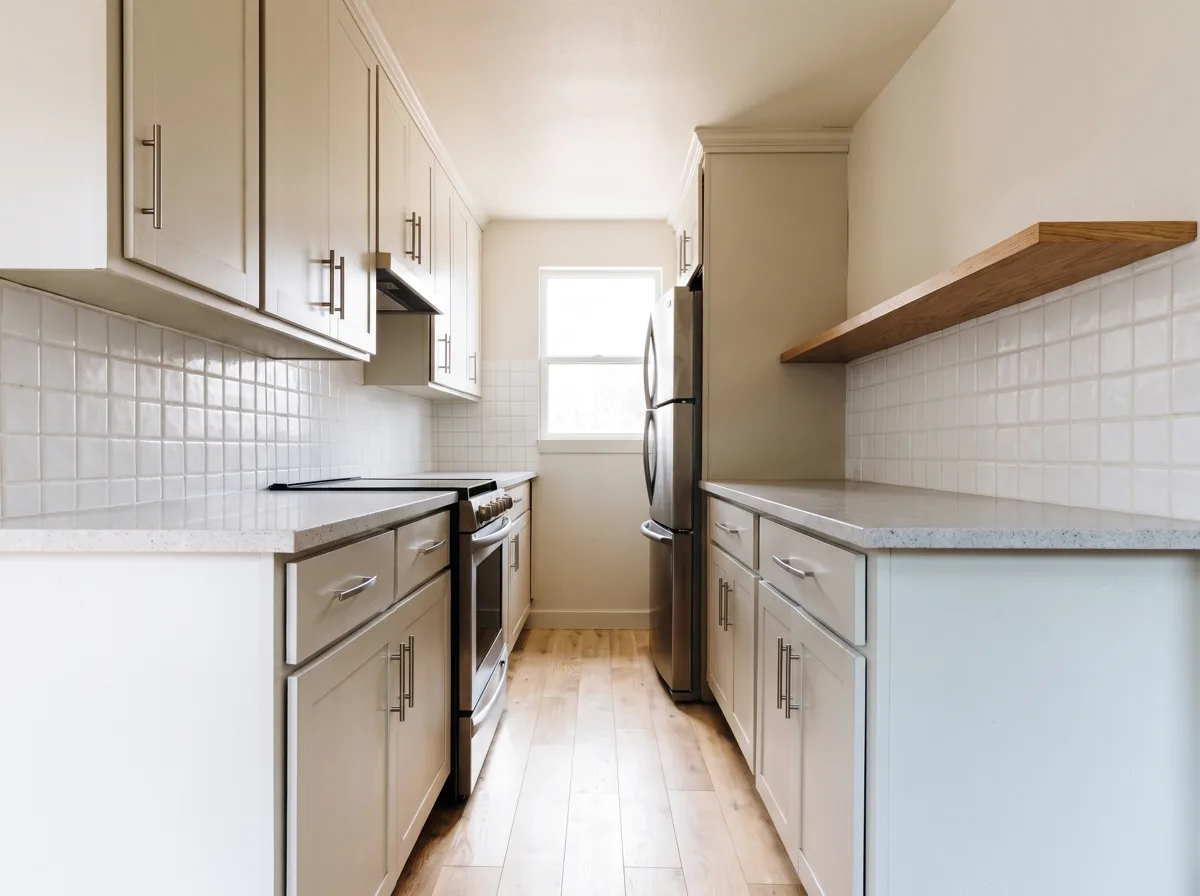
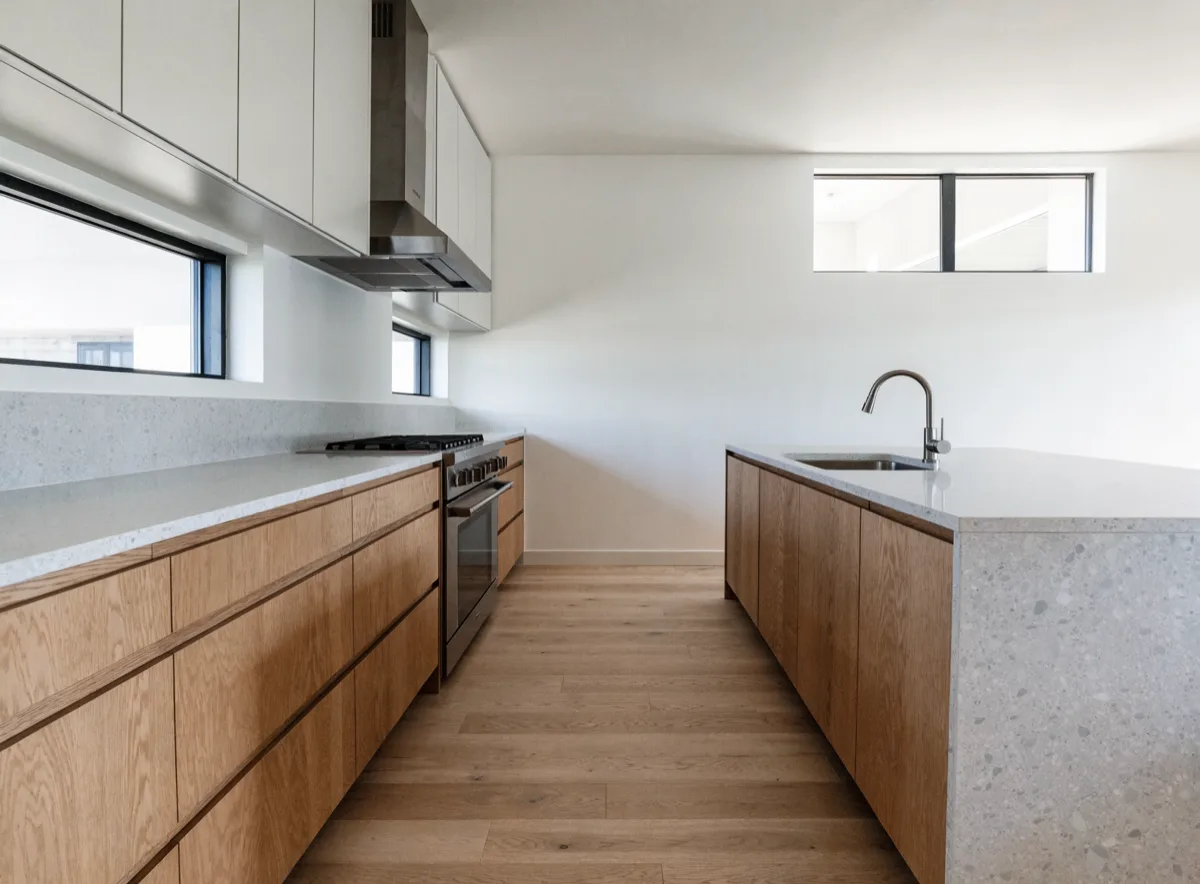
Last comes your eye. Stand where you walk into the kitchen and look at the counter. The seam belongs outside that view, and away from a long empty stretch where daylight skims across the stone. On an island, a joint across the middle of the top is the one people notice most.
What a Good Seam Looks Like Up Close
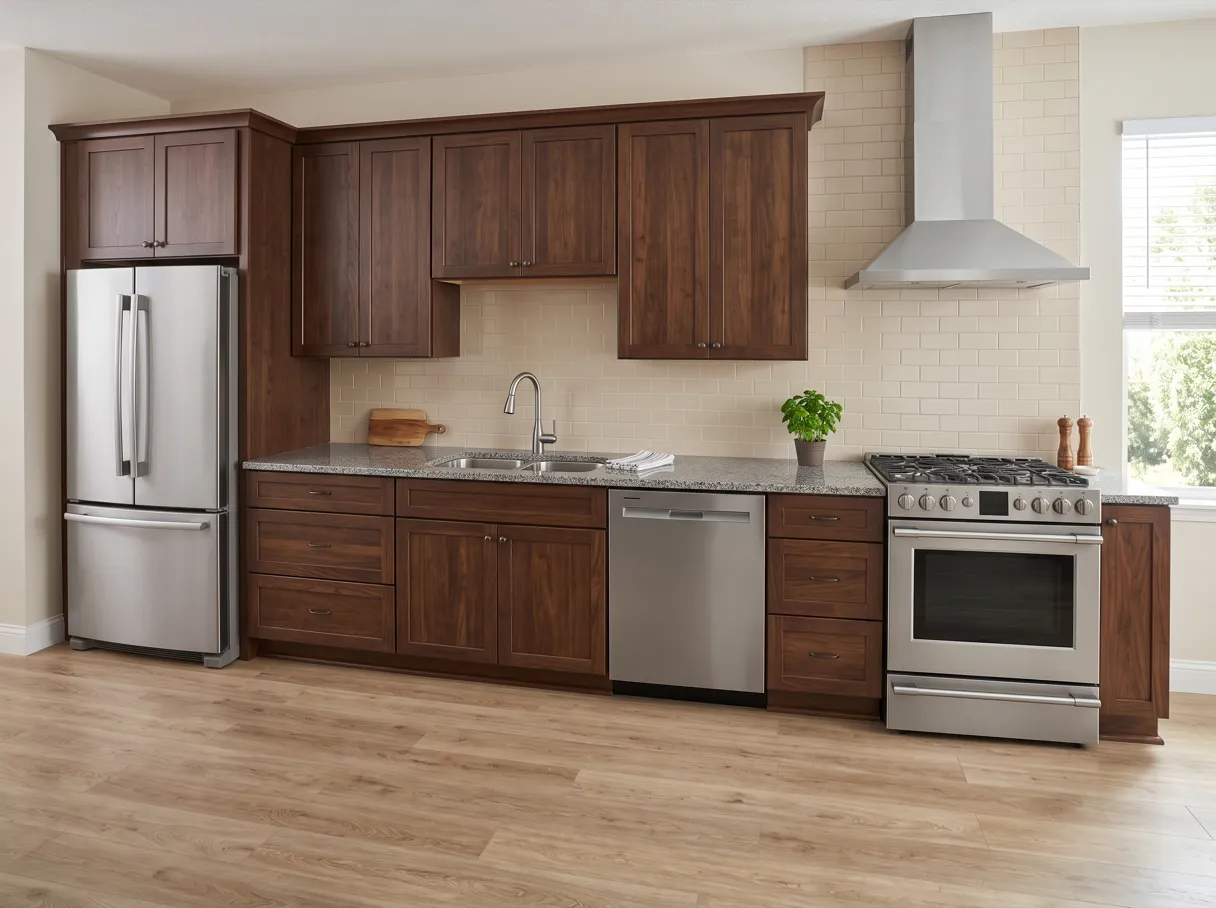
A seam is not invisible, and it is better to hear that before the stone is cut than after. On a plain, light quartz you will find it if you look for it. On a busy granite it can almost disappear into the pattern.
What you can hold the job to is how it was made. Run your hand across it. The two sides should sit level, with no lip that catches a fingernail. The gap should be thin and even from front to back. On ours it is filled with an adhesive tinted to the stone. On a veined slab, the veins should run the same way on both sides, even where they cannot line up exactly.
None of this is a matter of taste. The trade's own association keeps written installation standards that cover seam placement, joint widths and tolerances, so a shop can tell you what it considers acceptable before it starts. Check the seam at the final walkthrough, while the crew is still there.