Handyman or licensed · Davie, FL
Which Kitchen Jobs a Handyman Can Legally Do in Davie
Which kitchen jobs a handyman can legally do in Davie depends on the kind of work more than the size of the bill. Florida lists cabinetry, flooring, painting and tile, marble or granite installation as work no city or county can require a license for. Plumbing that ties into your drinking water, electrical wiring and any change to a load-bearing wall need a license. So a handyman can hang your cabinets. Hooking up the dishwasher is where the line falls.
- Installing cabinets, flooring or paint
- No license
- · at any price, in the state's own examples
- Minor work exemption
- Under $2,500
- · never for part of a larger job
- Licensed & insured: CGC1524886
- 500+ kitchens completed
- 2-year workmanship warranty
- Answered 7 AM–10 PM, 7 days
The Work Florida Leaves Open
Florida licenses contractors by what they do, not by what they call themselves. There is no license called handyman. Instead, the law names kinds of work that sit outside contractor licensing, and a kitchen is full of them.
Section 489.117 of the Florida Statutes lists cabinetry, flooring, painting, caulking, handyman services and tile, marble or granite installation among the jobs no local government can require a license for. It adds interior remodeling too, but only when the project includes no task that needs a state license. Keep that condition in mind. It comes back below.
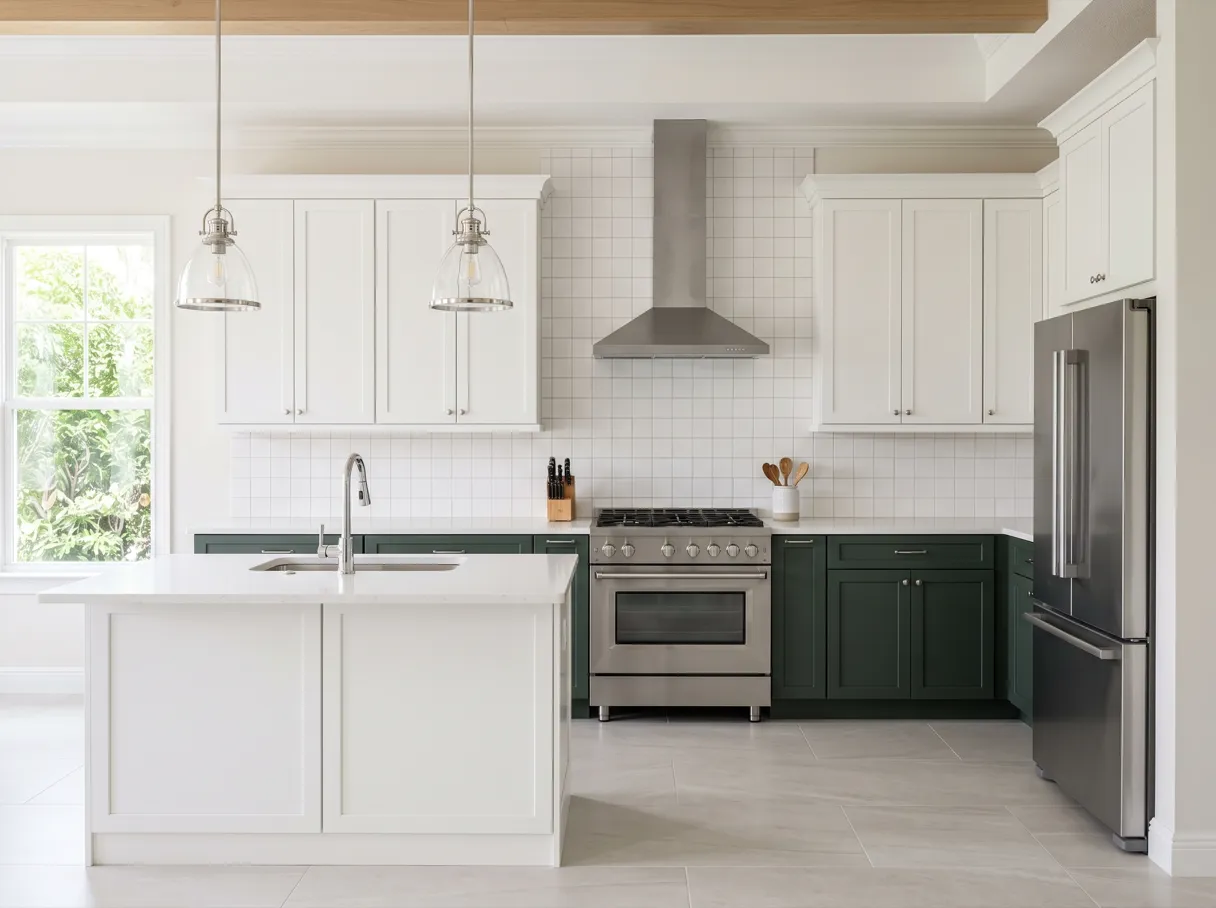
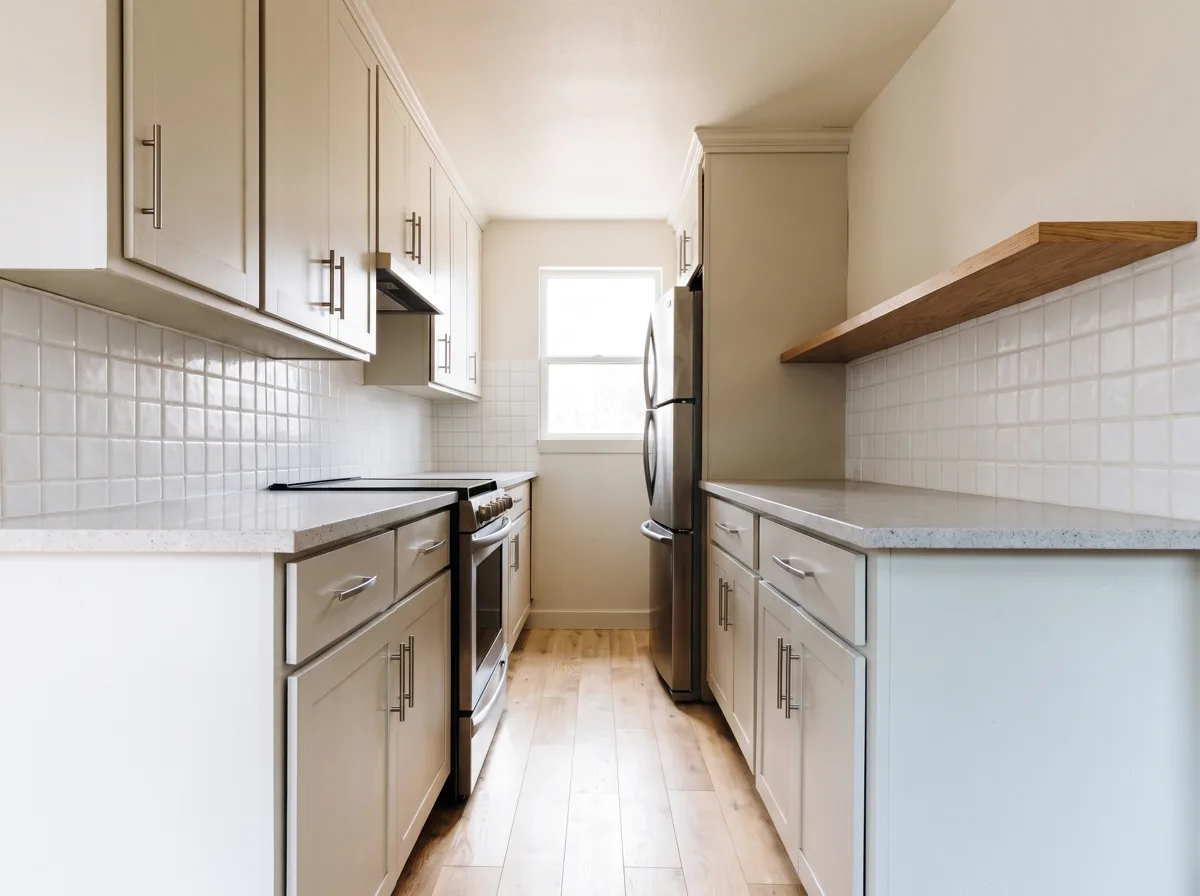
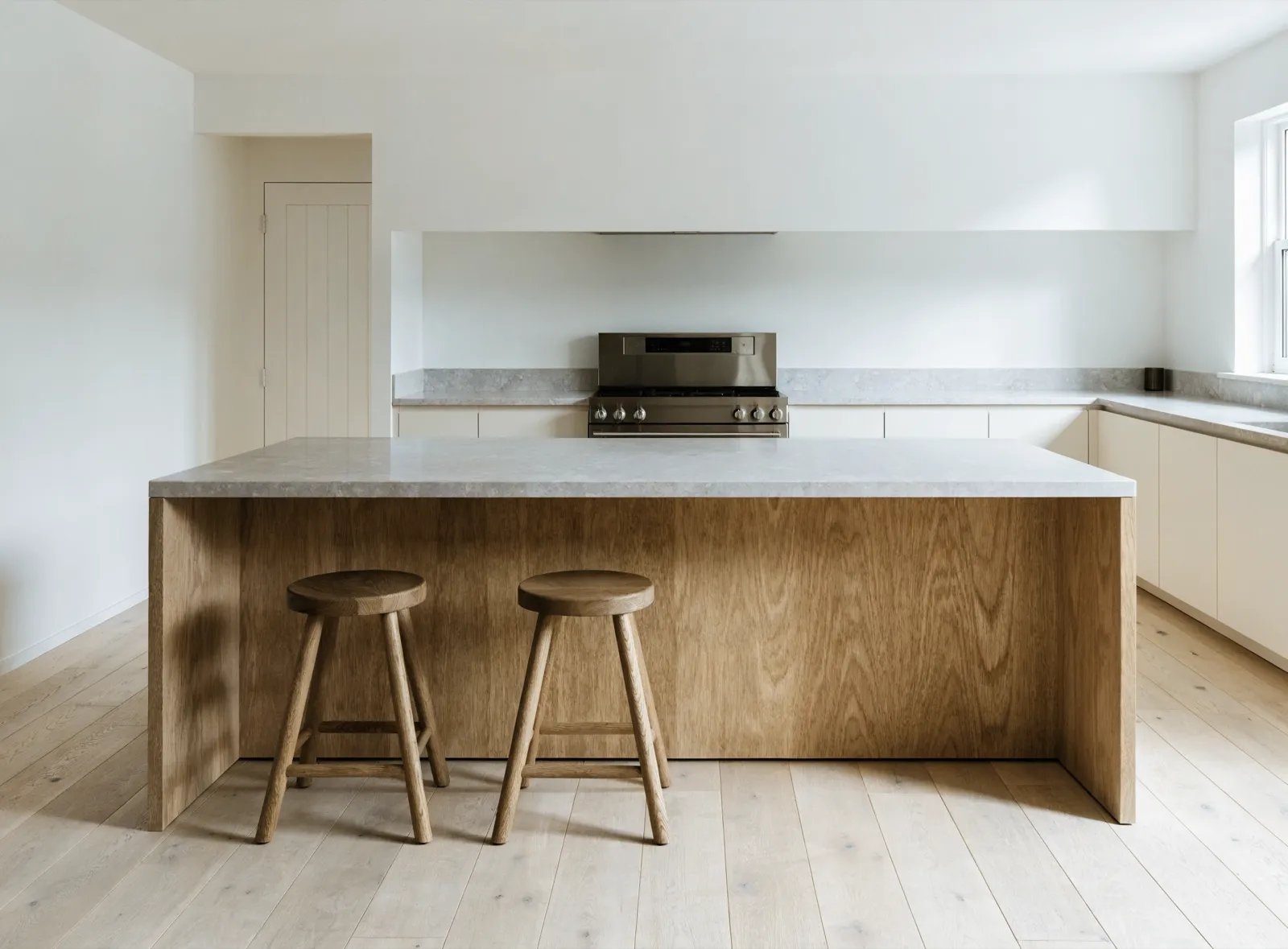
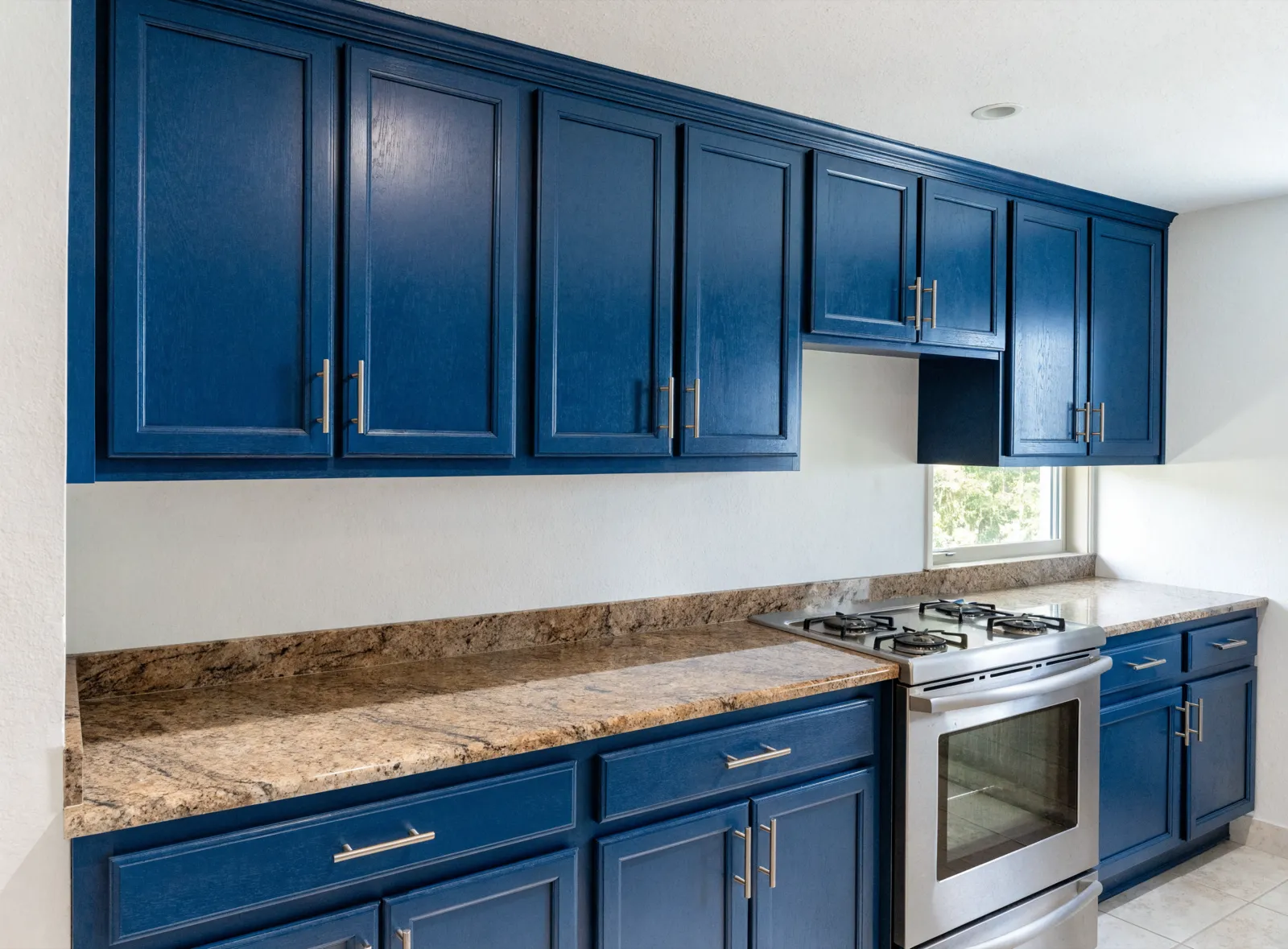
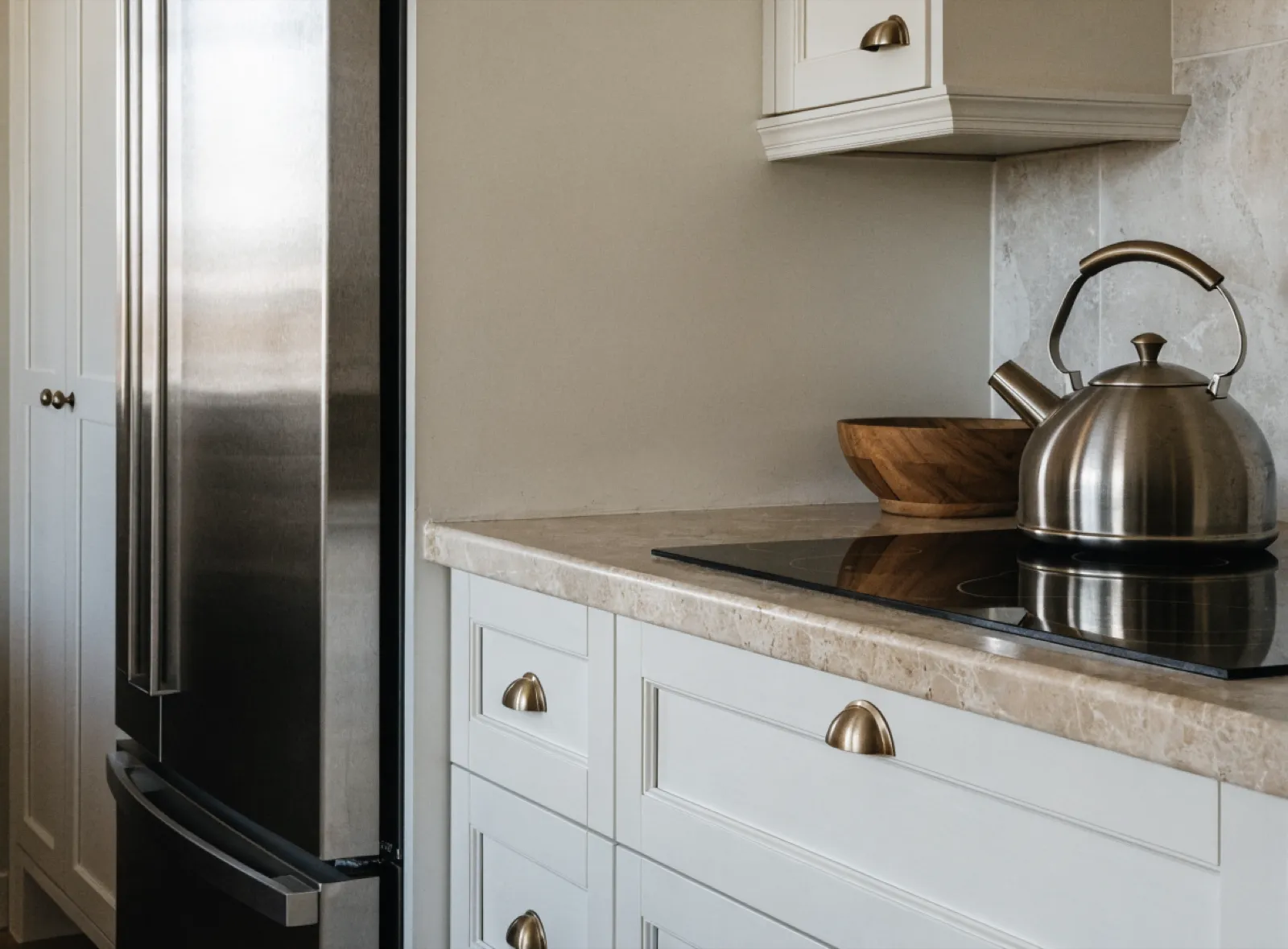
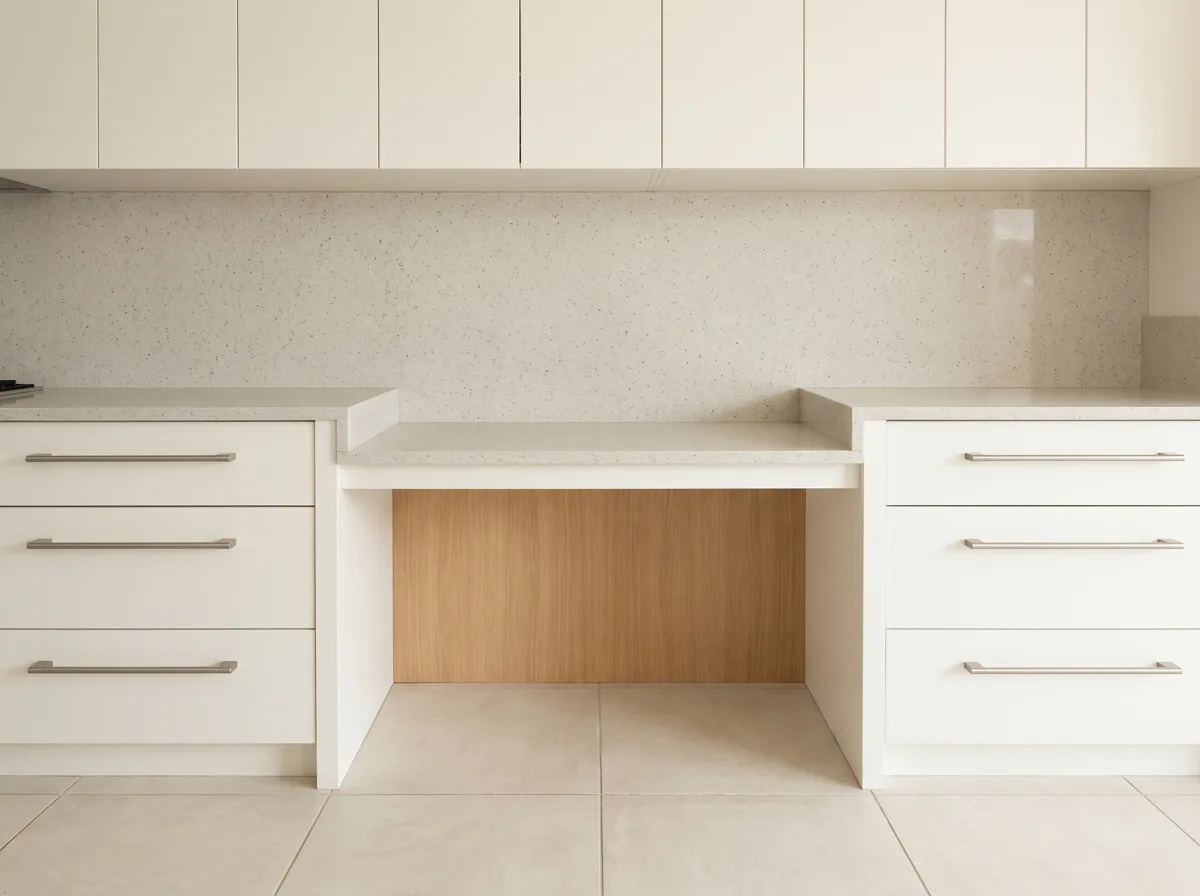
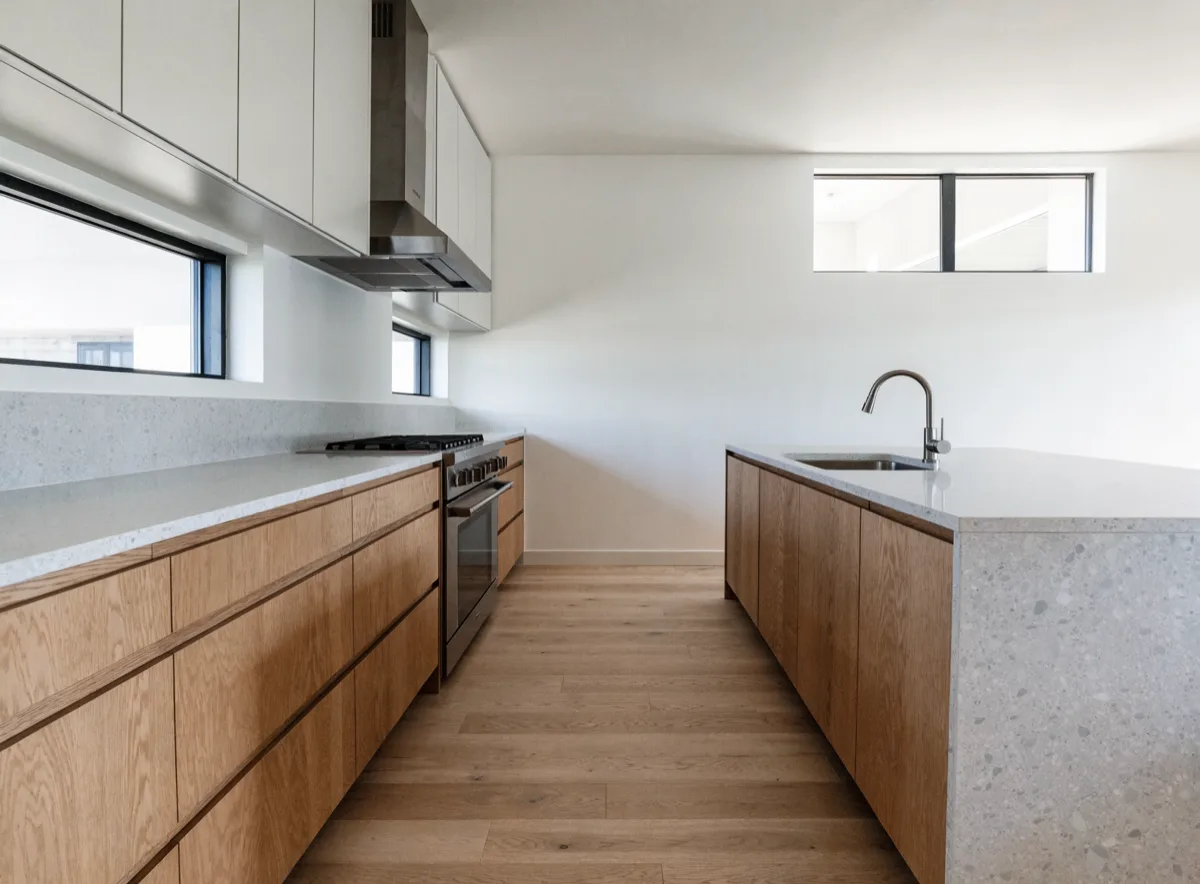
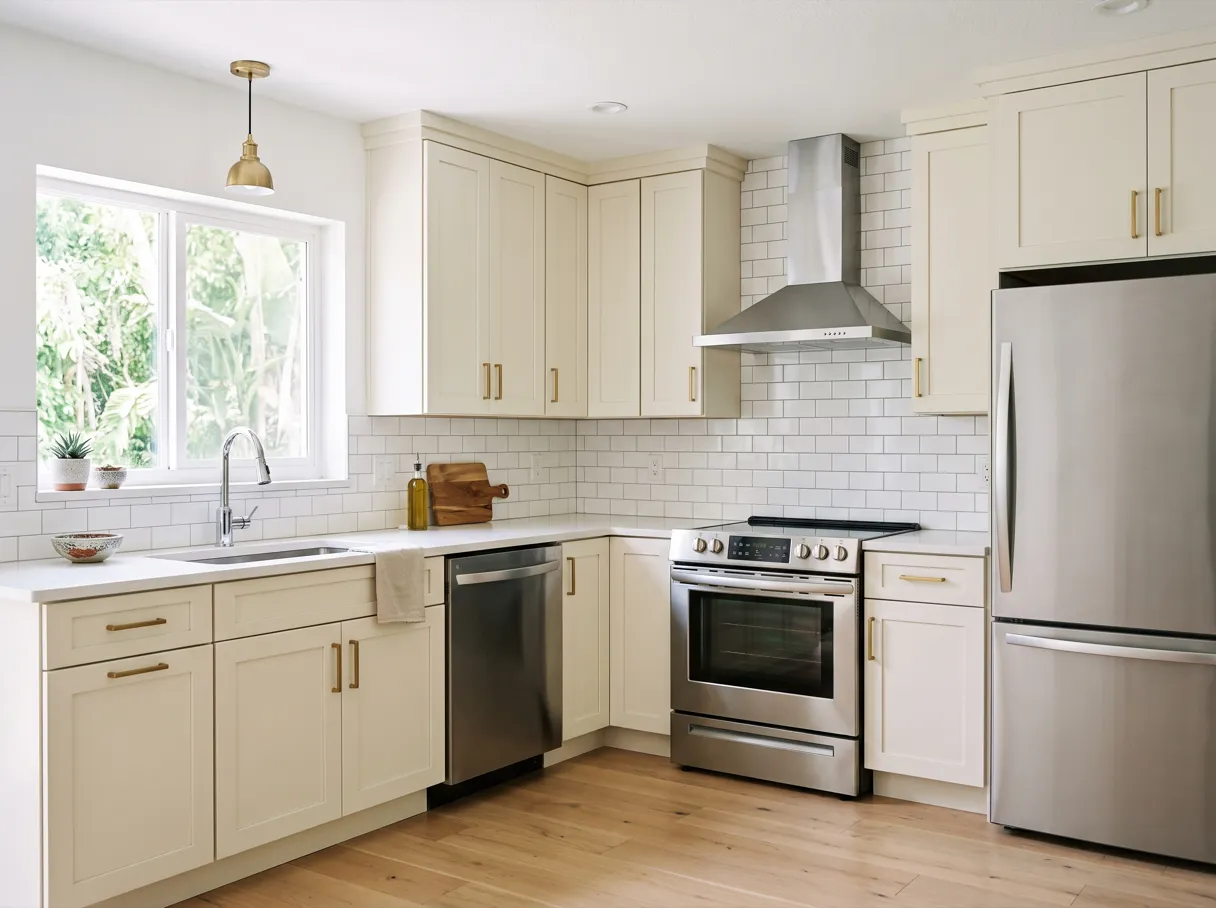
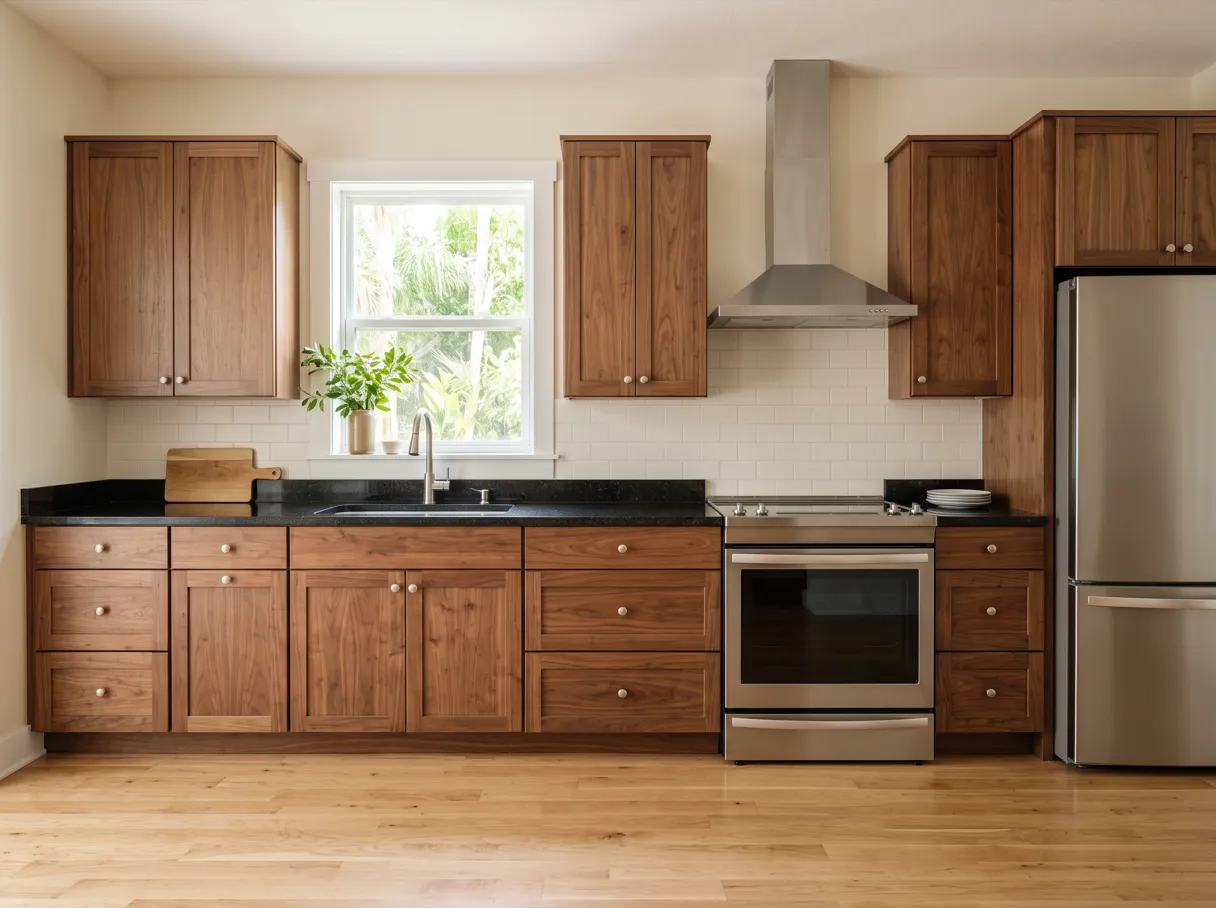
In a kitchen, that list covers a lot of ground. Painting the cabinets. New doors and hardware. New boxes set on the same wall. A tile floor or a backsplash. A stone countertop set on the cabinets.
A second rule backs this up. Under section 489.128, a person doing work that needs no state license is not considered unlicensed for it. So a handyman who hangs your cabinets is doing legal work.
Where a Kitchen Crosses the Line
The line runs through three things: the water, the wiring and the walls.
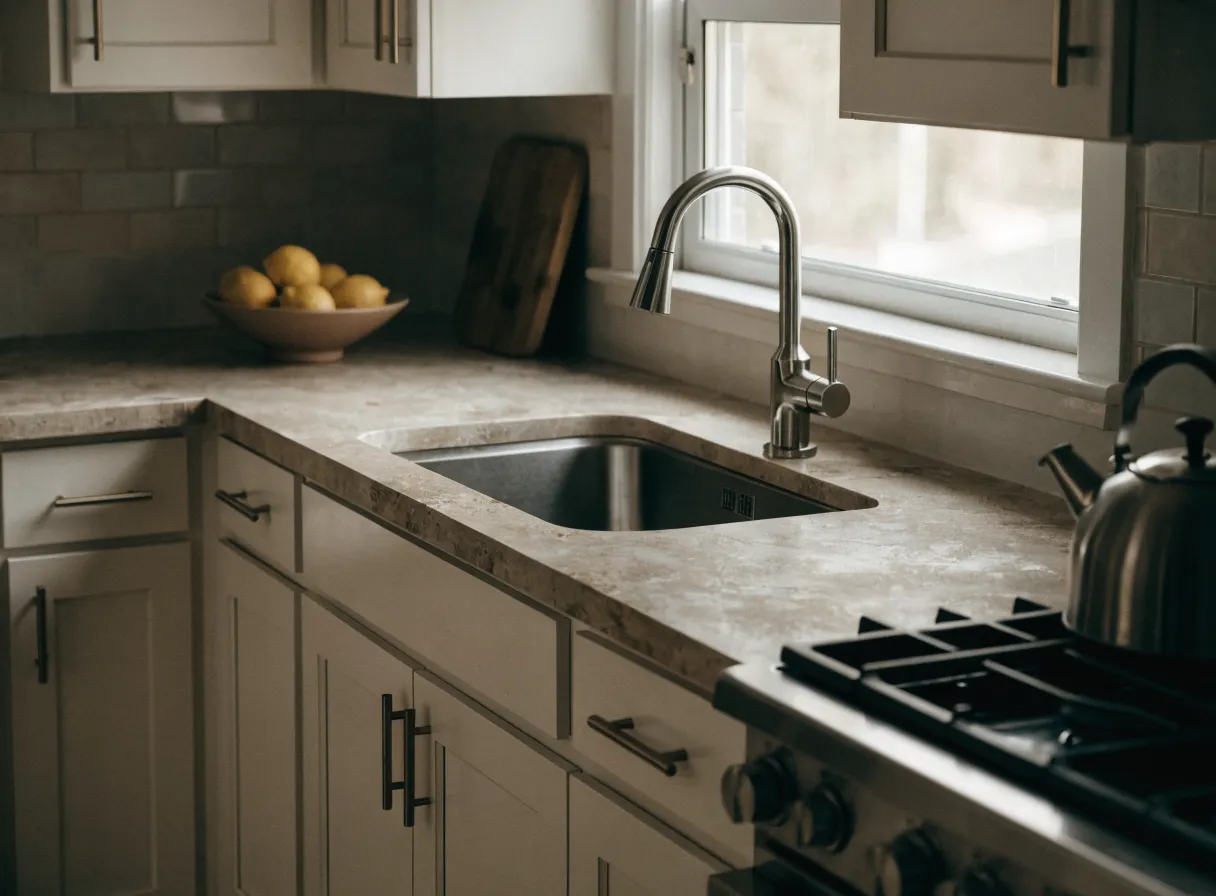
The state licensing agency spells out the water side with plain examples. Its own list says installing a dishwasher needs a licensed contractor because it connects to drinking water, and so does plumbing work that ties new lines into the drinking-water supply. Moving the sink or running a line to the fridge sits on that side.
Wiring is the second. New outlets on an island, a circuit for a bigger range or hardwired lights under the cabinets are electrical work, and Florida licenses that trade separately.
Walls are the third. Opening the kitchen to the living room needs a licensed contractor when the wall carries load.
Now the condition from above comes back. Put one of those tasks in the same contract as the carpentry, and the job stops being the kind of remodel Florida leaves open. Drywall is the clearest case on the state's list. On its own it needs no license. In a contract that also includes plumbing or electrical work, it does.
The $2,500 Rule People Quote
You will see a dollar figure attached to all this, and it is often misread. Section 489.103(9) exempts work that is "casual, minor, or inconsequential" when labor, materials and everything else come to less than $2,500.
That exemption is narrower than it sounds. It does not apply when the job is part of a larger operation, whether the same person or someone else does the rest. It does not apply when the work is split into smaller contracts to stay under the number. And it does not apply to anyone who advertises as a contractor.
A kitchen remodel is exactly the larger operation the statute means. A handyman who pulls the plumbing out into its own small invoice is still working inside that larger job, and the statute names the split on purpose.
The figure also cuts the other way. Painting, cabinets and flooring need no license at any price, in the state's own words. So the number settles small repairs. The kind of work settles the rest.