Sales tax and remodels · Davie, FL
Who Pays Sales Tax on a Kitchen Remodel in Davie?
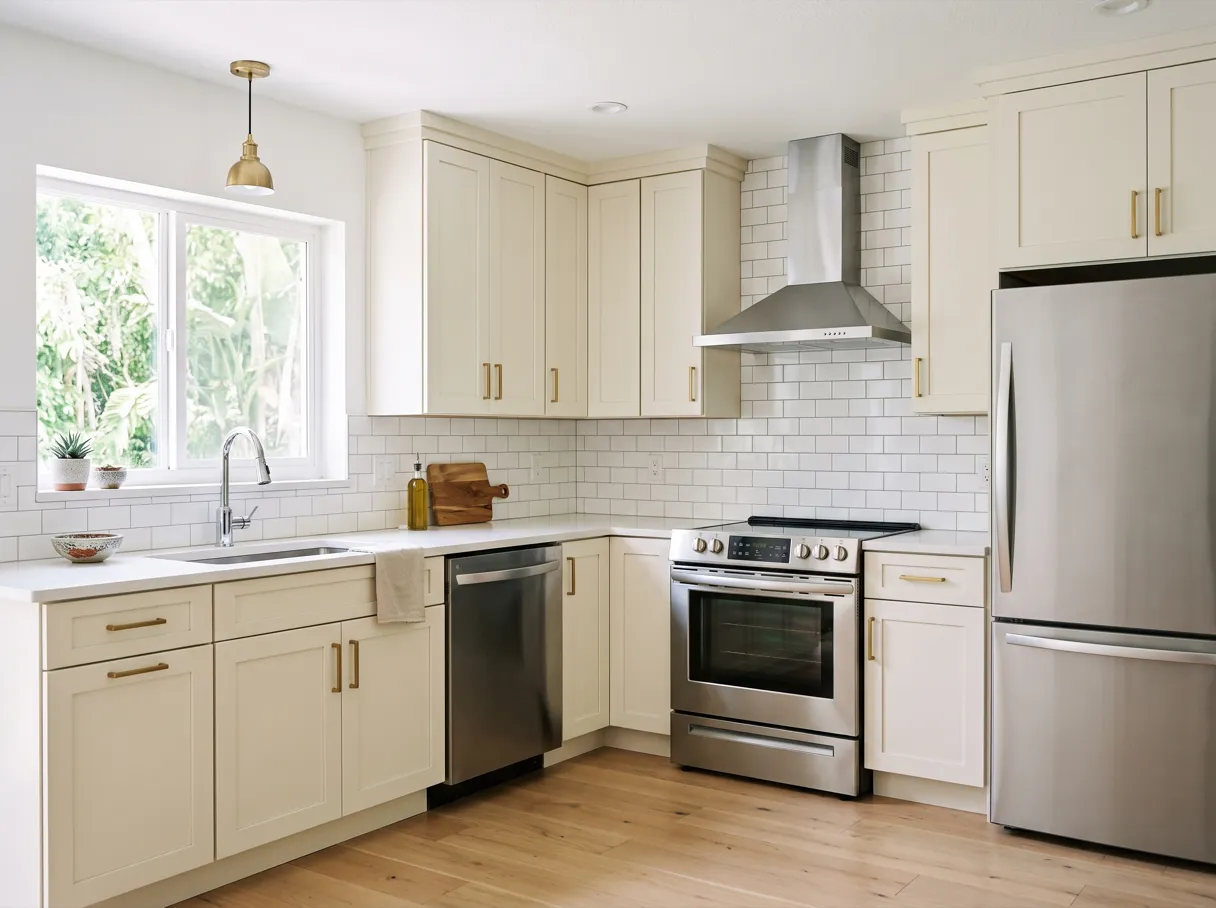
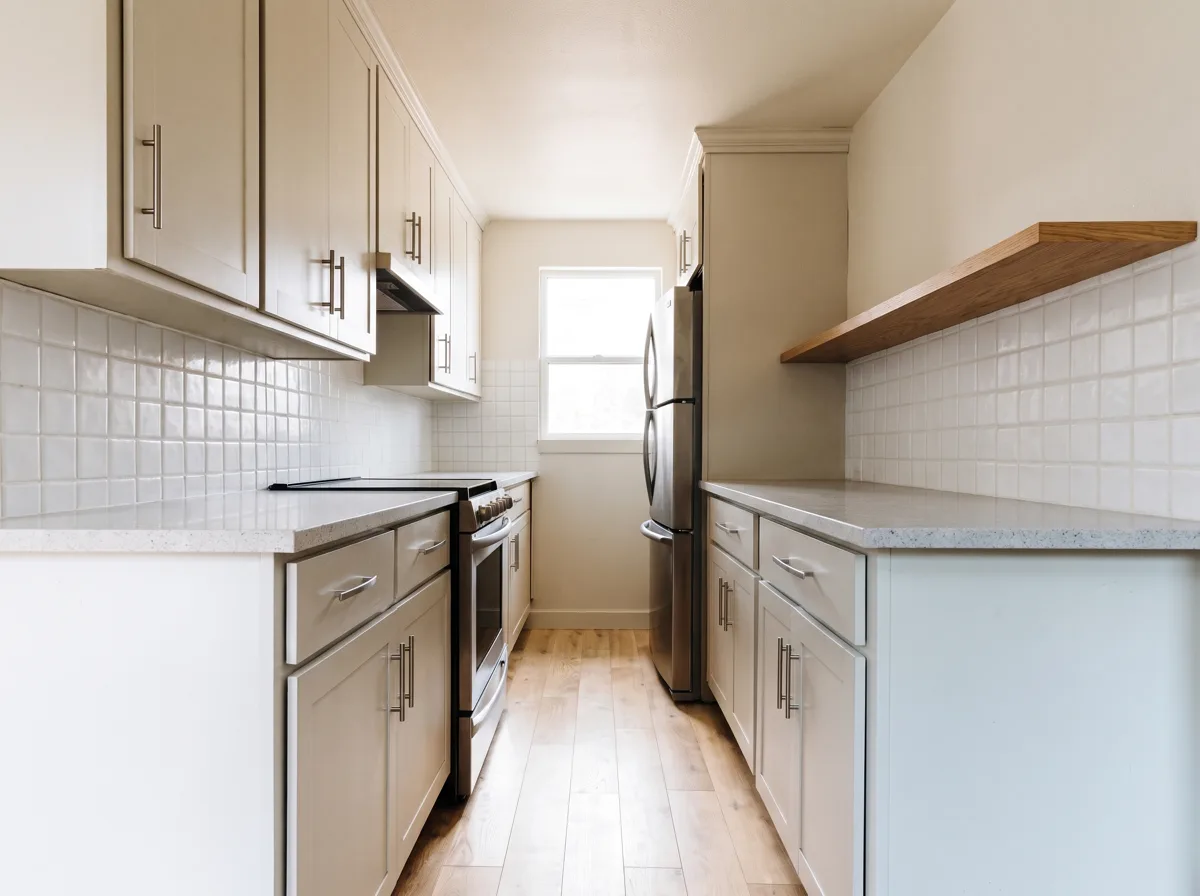
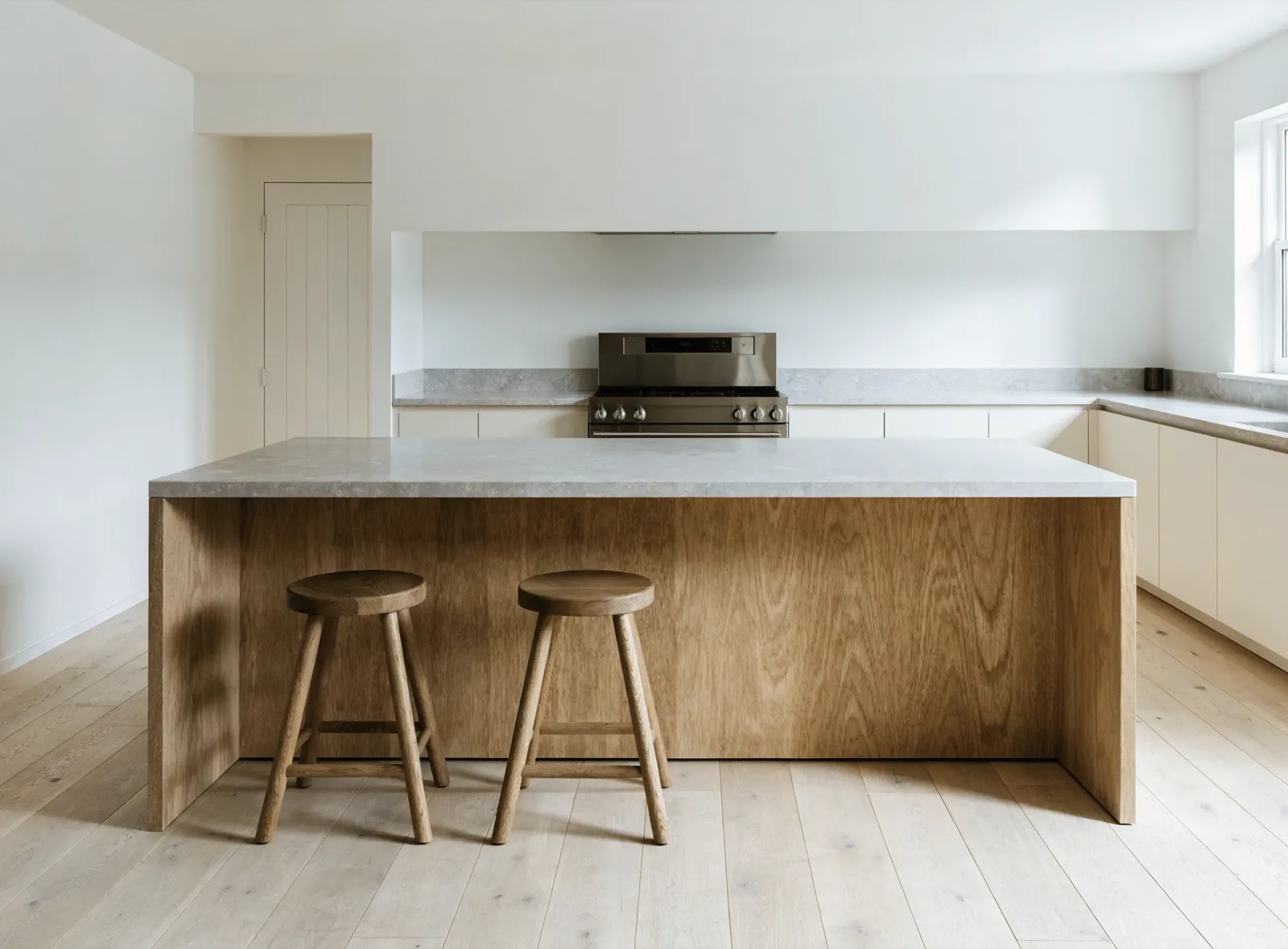
Who pays sales tax on a kitchen remodel in Davie depends on how the contract is priced. On one stated price, Florida treats the contractor as the one using up the cabinets, counters and tile, so the contractor pays the tax when buying them and charges you none, even if the quote lists materials and labor apart. The exception is a contract that itemizes and sells you every material first, where you pay tax on the materials only.
- Florida's general state rate
- 6%
- · Florida Department of Revenue
- Broward County surtax
- 1%
- · in effect through 2048
- Licensed & insured: CGC1524886
- 500+ kitchens completed
- 2-year workmanship warranty
- Answered 7 AM–10 PM, 7 days
Three Ways a Contract Can Be Priced
Florida's rule for contractors who repair, alter or improve a house is Rule 12A-1.051 of the Florida Administrative Code, and it sorts contracts by how the price is set, not by what the job is.
A lump-sum contract gives one price for the materials and the work together. A time-and-materials contract adds up the cost of the materials, sometimes marked up, plus a charge for the hours spent. On both, the rule calls the contractor the ultimate consumer of the materials. The contractor pays tax to the supplier and charges the customer none.
The third kind is narrow. In a retail sale plus installation contract, every material that goes into the job is itemized and priced in the contract before work begins. Leave one out and the contract does not qualify. You also take title to the materials, and the risk of losing them, as they are delivered. Here the contractor collects tax from you on the materials, not on the installation.
One more line matters. A proposal is not the contract, and neither is an invoice.
What Counts as Part of the House
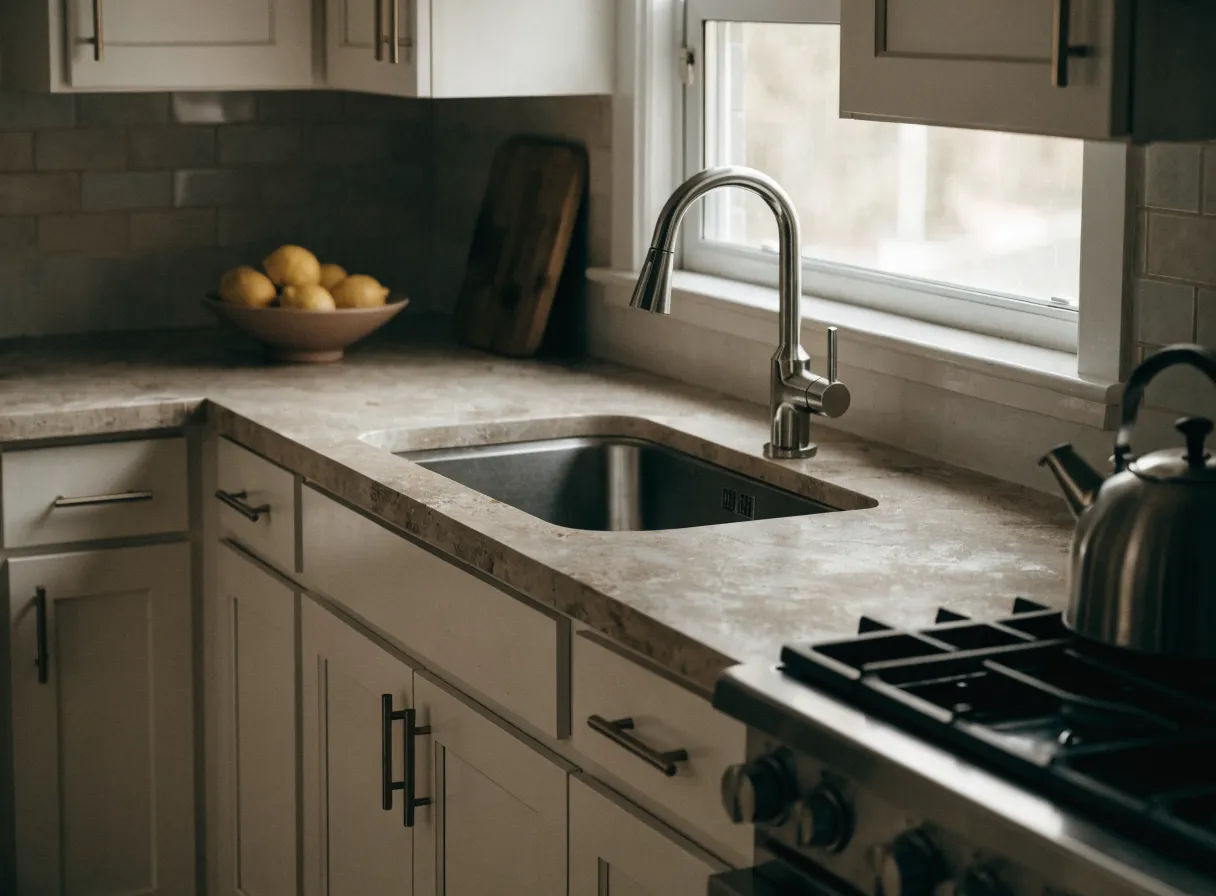
The same rule decides which pieces of a kitchen become part of the house. Built-in cabinetry is on its list of real property work, and it names kitchen sinks and built-in counters as fixtures. Freestanding cabinets and shelving sit on the other list, next to household appliances that are not built in and directly wired.
That second list matters when an item is sold and installed on its own. A seller who delivers and installs a freestanding range charges tax on the full price, installation included, even when the bill shows the two apart. Buy the same range over the counter and the store charges tax on it too.
Inside a remodel, the rule looks at the whole contract. When a contract mixes work on the house with a few freestanding items, and the house is the main part, it is taxed as if it were all real property work. The contractor pays the tax on those items and none is collected from the owner. A contract that gives those items their own reasonable price is taxed by that split.
Reading the Tax Line on a Quote
A quote that gives one price for a defined scope becomes a lump-sum contract once it is signed. The tax answer there is short: no sales tax line goes on top. If a quote does add one, ask which kind of contract it is. A retail sale plus installation contract should itemize every material with its price, and the tax should land on those prices, not on the labor.
Appliances are where the tax usually shows up, and the charge comes from the store. Our packages do not include appliances. When you buy the range, the refrigerator or the dishwasher yourself, the store charges sales tax on that purchase. That tax sits between you and the store.
So read the quote by item. The cabinets, the counters, the sink, the tile and the trim are part of the house once they are in. A range that slides into its opening is not.